
Best Led Zeppelin III Vinyl Pressing: Which Version Sounds Best?
Five decades of pressings compared — from the UK plum first press to the 2014 Page remaster. Which one deserves your money?
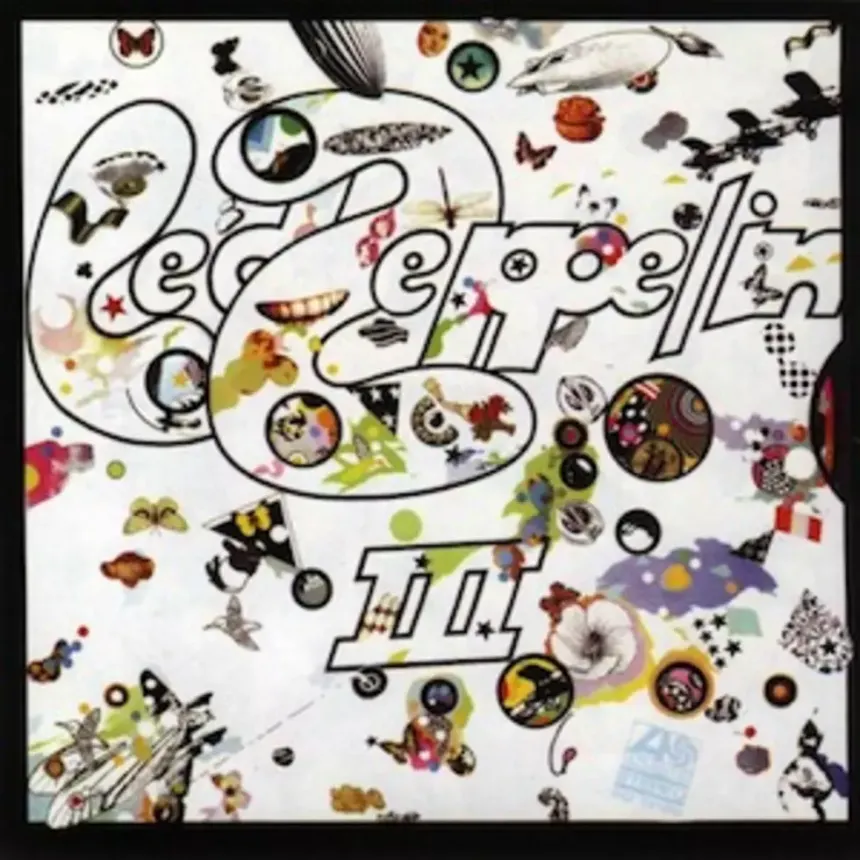
Led ZeppelinIII (1970)
Sonic Atlas Verdict
The copy we own and reviewed: US Specialty Records pressing (Atlantic SD 7201, "SP" in the matrix) — roughly 80% of the UK first-press quality at a fraction of the price. Everything below the verdict about our own copy is firsthand; the other editions are researched comparisons.
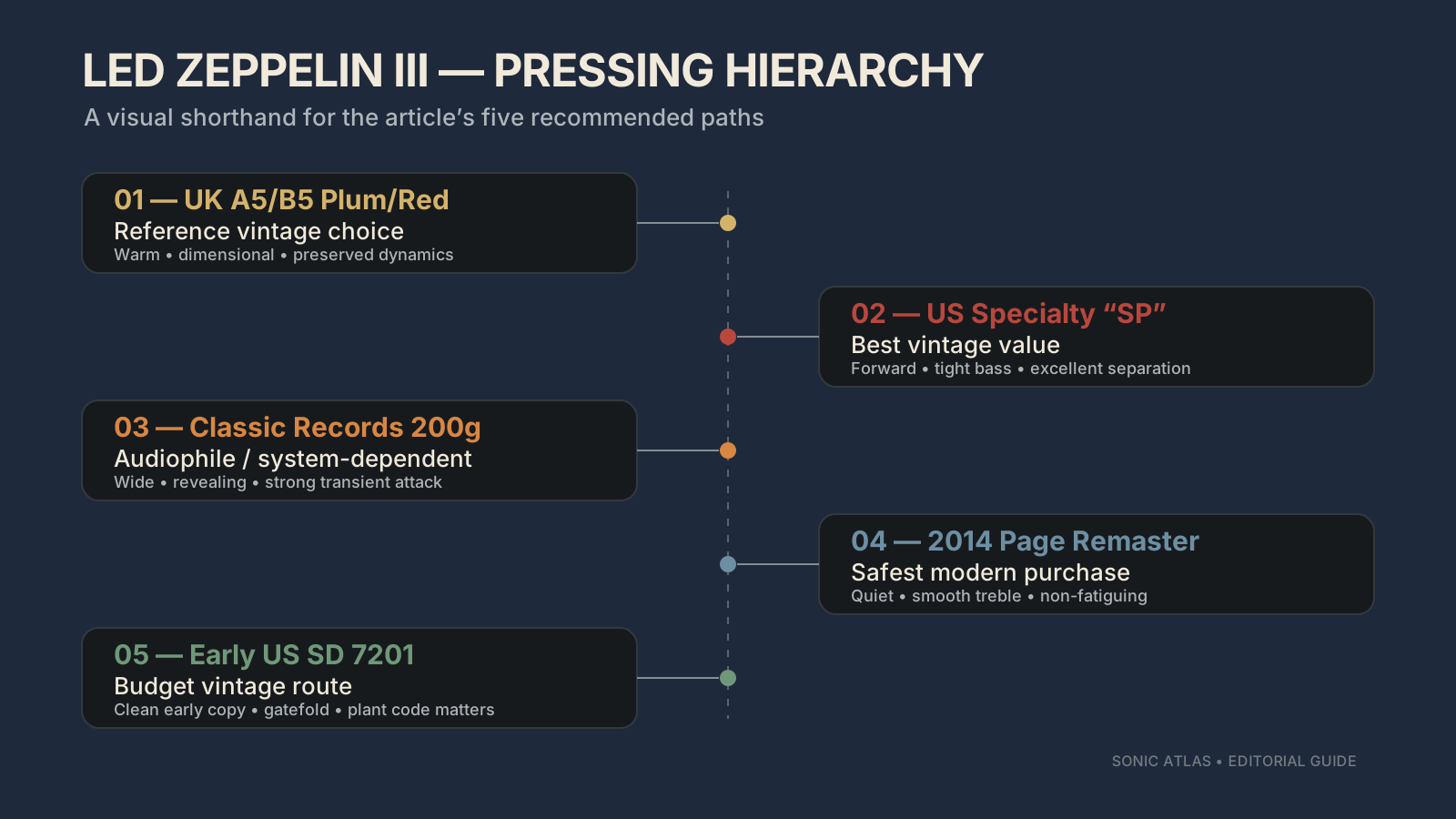
Best overall: UK first pressing (plum/red Atlantic, A5/B5 stampers) — the definitive version, if condition and budget allow.
Best modern / safest buy: 2014 Jimmy Page remaster — quiet, non-fatiguing, affordable; the safe choice for a bright system.
Best for a warm system: Classic Records 200g (Bernie Grundman) — revealing when matched correctly, harsh if not.
Budget pick: Any clean early-1970s US gatefold pressing, $15–40.
Led Zeppelin III is one of the most frequently mispressed, misunderstood, and underrated albums in the Zeppelin catalog. Its acoustic-heavy second side confused listeners in 1970 and continues to divide opinion — but its sonic qualities, when properly reproduced, are extraordinary. The album was recorded across multiple locations (Headley Grange, Olympic Studios, Island Studios, Ardent Studios) and mixed by Andy Johns, giving it a dense, layered character that rewards a quality pressing.
The problem: there are dozens of pressings spanning five decades, and they do not all sound the same. Some are magnificent. Some are harsh and thin. This guide identifies which versions deliver the album as it was intended to sound.
Best Overall: UK First Pressing (Plum/Red Atlantic, A5/B5)
The definitive version. Cut from the original master tapes at the time of release, pressed in the UK on the plum and red Atlantic label with catalog number 2401 002. The earliest stampers carry matrix numbers A5/B5 — indicating the fifth lacquer attempt on each side, which was the one approved for production.
What to look for:
- Plum and red Atlantic label with "2401 002" at 2 o'clock position
- Matrix: A5/B5 in the dead wax (hand-etched)
- Fully laminated gatefold sleeve with working die-cut wheel
- Peter Grant credit on label (earliest copies)
- "Celebration" misspelling on label (earliest copies omit "Day")
Sonic character: Warm, dimensional, with excellent bass weight on "Immigrant Song" and "Celebration Day." The acoustic tracks on side two have a natural room ambience that later pressings compress or brighten away. Dynamic range is preserved.
Price range: $150–400 depending on condition and label variant.
Best US Vintage Pressing: Specialty Records (SP Matrix)
The US pressing landscape for Led Zeppelin III is complex. Atlantic used multiple pressing plants — Monarch (MO), Presswell (PR), and Specialty Records Corporation (SP). The Specialty pressings are generally regarded as the strongest US variants.
What to look for:
- Atlantic SD 7201 catalog number
- Matrix: ST-A-702005 SP (side 1) / ST-A-702006 SP (side 2)
- "SP" designation in matrix indicates Specialty Records plant
- Gatefold sleeve with working wheel
Sonic character: Slightly more forward and present than the UK pressing, with a touch more top-end energy. Bass is tight and controlled. "Since I've Been Loving You" has excellent separation between guitar, organ, and vocals. The acoustic material on side two is clean and detailed.
This is the pressing in the Sonic Atlas archive. It represents the album faithfully and competes with pressings costing three times its price.
Price range: $30–80 depending on condition.
Best Audiophile Pressing: Classic Records 200g (2007)
Classic Records released Led Zeppelin III in multiple configurations: standard 180g, Quiex SV-P 200g, and a limited 45 RPM edition. All were cut by Bernie Grundman from the original Atlantic master tapes.
The controversy: Classic Records Led Zeppelin pressings divide opinion sharply. Some listeners describe them as "revealing and detailed." Others call them "bright and harsh." The mastering emphasizes upper-midrange detail and transient attack, which on systems with already-bright cartridges can become fatiguing.
Sonic character: Extremely detailed, wide soundstage, excellent channel separation. More analytical than musical compared to the UK first pressing. On a well-damped system with a warmer cartridge, these can sound extraordinary. On a bright system, they can be unpleasant.
Price range: $100–250 (out of print). The 45 RPM edition commands $300+.
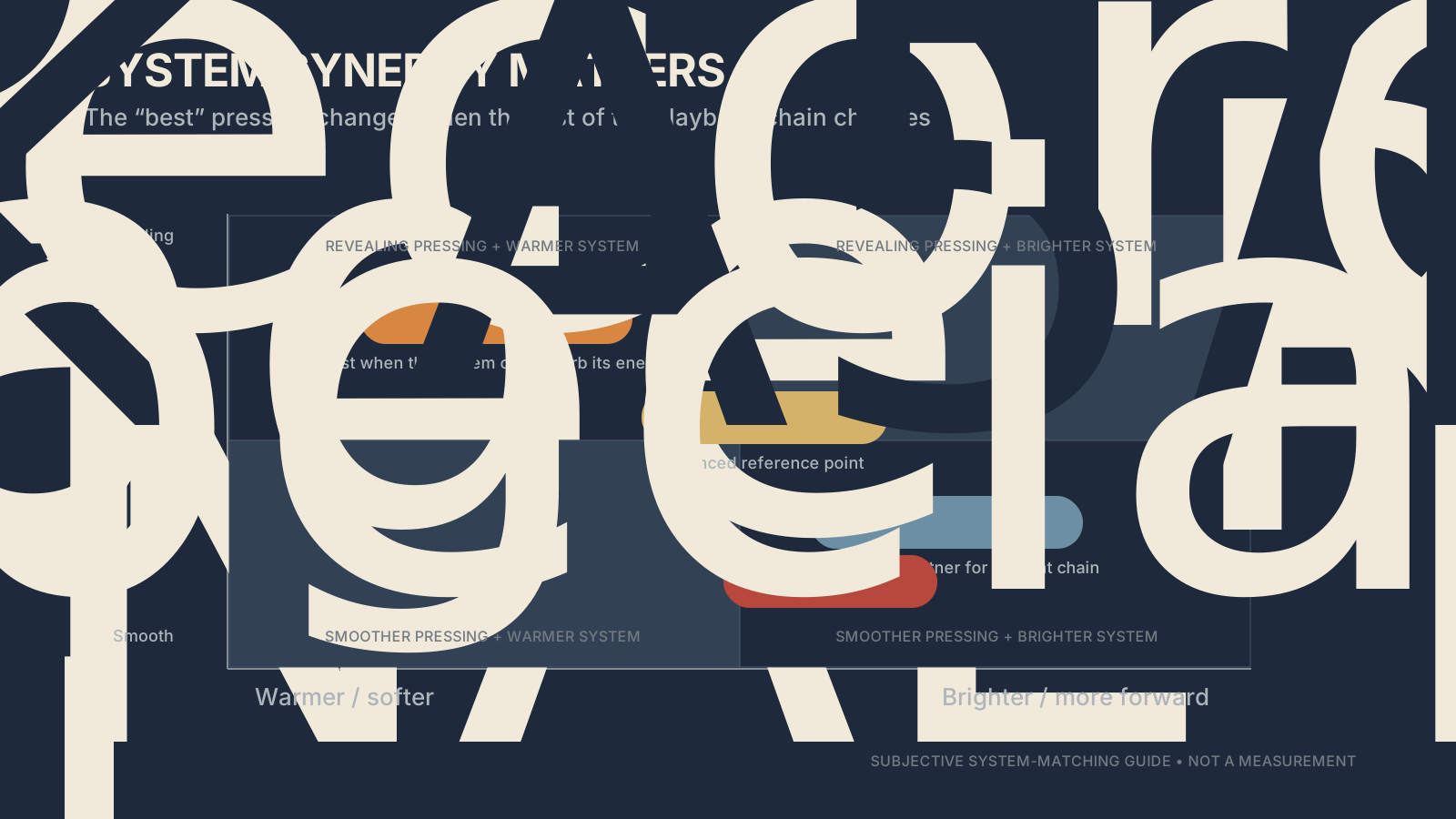
Recommendation: Know your system before buying. If your setup leans warm, the Classic Records may be revelatory. If already detailed and forward, the UK first press or SP Specialty will be more enjoyable.
Best Affordable Pressing: US Atlantic SD 7201 (Early 1970s)
Any clean early-1970s US pressing on the green/orange Atlantic label with gatefold sleeve and working wheel will deliver a satisfying representation of the album.
What to look for:
- Atlantic SD 7201, green and orange label
- Gatefold sleeve (non-gatefold reissues from the late 1970s are generally inferior)
- Avoid copies with "re-channeled stereo" designation
- Check for pressing plant code in matrix (MO, PR, SP)
Price range: $15–40 in VG+ to NM condition.
Best Modern Pressing: 2014 Jimmy Page Remaster
The 2014 remaster series, overseen by Jimmy Page, was cut from high-resolution digital transfers of the original tapes. Pressed at Optimal Media in Germany on 180g vinyl.
Sonic character: Clean, quiet surfaces, good dynamic range. Slightly less dimensional than the best vintage pressings. Treble is smooth and non-fatiguing — safer for bright systems than the Classic Records editions.
Price range: $25–40 new.
Recommendation: The safest buy for someone who wants a good-sounding copy without vintage pricing. Does not reach the heights of the UK first pressing, but will not disappoint.
How to Identify the Pressing You Have
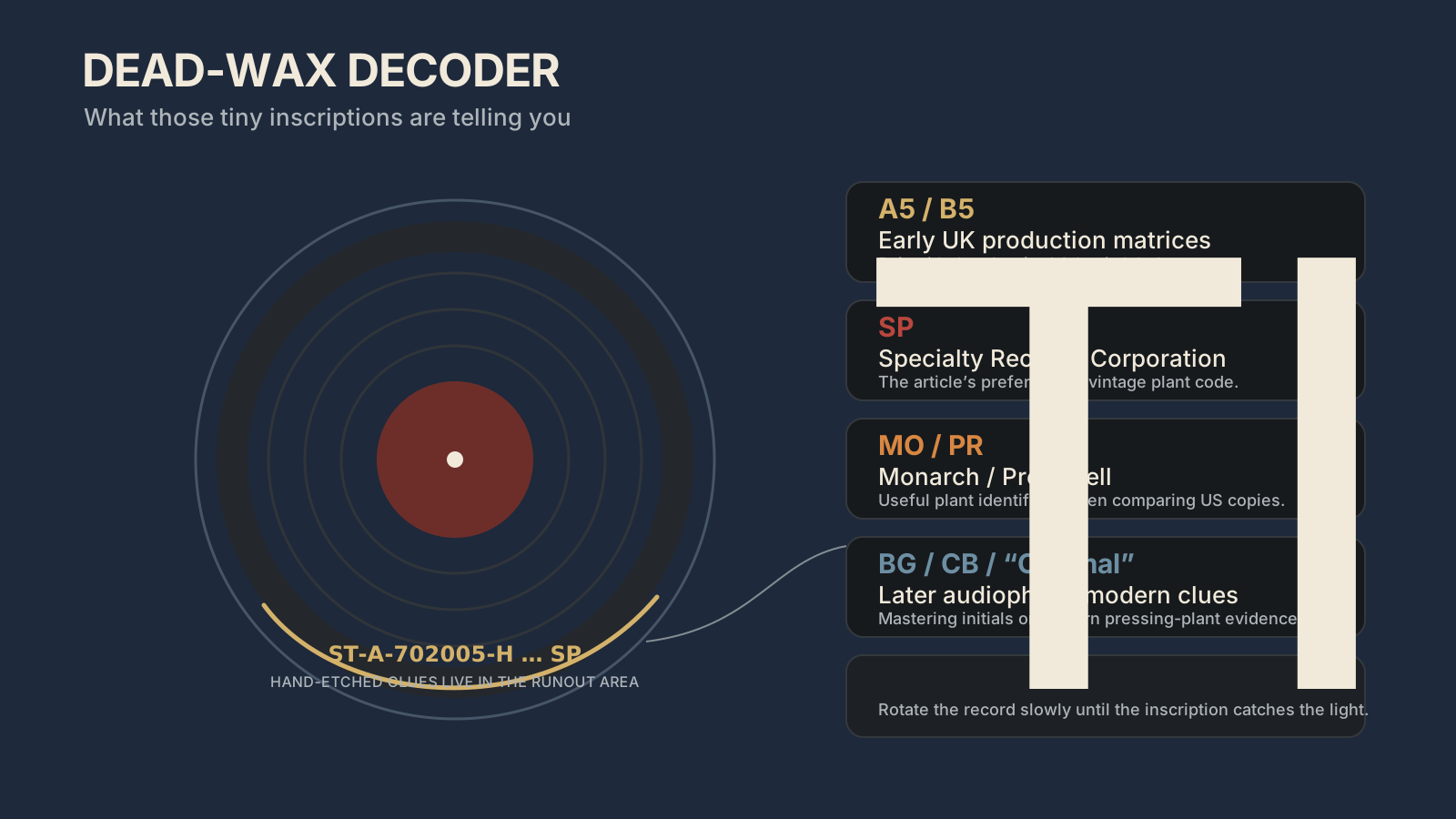
Check the dead wax under angled light:
- A5/B5 (UK) — First-pressing stamper matrices. Plum/red Atlantic label = earliest.
- ST-A-702005/6 SP — US Specialty Records pressing.
- ST-A-702005/6 MO — US Monarch pressing. Good, slightly below SP.
- ST-A-702005/6 PR — US Presswell pressing. Acceptable, occasionally noisy.
- BG or CB initials — Classic Records (Bernie Grundman or Chris Bellman cut).
- No hand-etched marks, "Optimal" in wax — 2014 Page remaster.
For a full guide to interpreting these markings, see How to Read the Dead Wax.
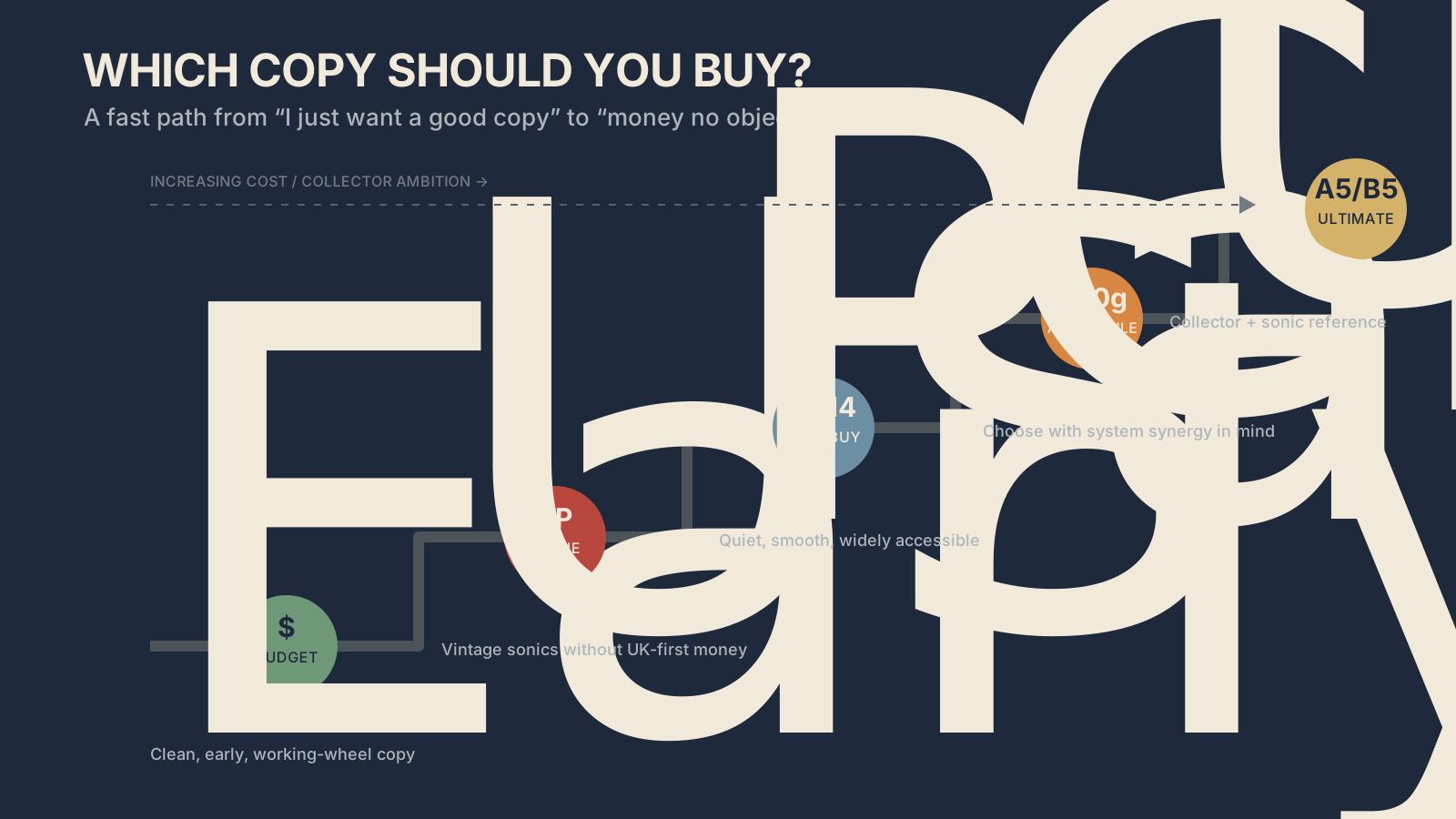
Summary: Which One Should You Buy?
- Money no object: UK first pressing, A5/B5 stampers, plum/red label.
- Best value: US Specialty Records (SP in matrix). 80% of the UK quality at 20% of the price.
- System is bright: 2014 Page remaster. Smooth, non-fatiguing, affordable.
- System is warm: Classic Records 200g. Detailed and revealing when partnered correctly.
- Budget pick: Any clean early-70s US gatefold pressing. $15–40 well spent.
Keep Reading
Best Vinyl Pressing: How to Find the Best-Sounding Version of Any Album
Original pressing, remaster, reissue or audiophile edition? Learn how to use matrix numbers, mastering credits, pressing plants and Discogs to find the best-sounding vinyl pressing before you buy.
The Original Pressing Myth: Why the First Pressing Isn't Always the Best
'First pressing' is a statement of chronology, not a guarantee of sonic superiority. When reissues, recuts, and later stampers actually outperform the original.
How to Read the Dead Wax: The Secret History Written in Your Record's Runout
Every vinyl record carries a forensic document in its runout groove. Learn to decode mastering engineer initials, pressing plant codes, stamper generations, and matrix numbers.
Why Do Different Vinyl Pressings Sound Different? Mastering, Matrix Numbers & Pressing Plants Explained
Two records can contain the same album and still sound conspicuously different. Learn why mastering, lacquer cutting, metalwork, and pressing plants all leave an audible fingerprint on vinyl.