
The Los Angeles Invisible Orchestra
A cartography of the West Coast studio-musician network — the players, producers, arrangers, and studios that made the California sound a labor network rather than a genre.
There is a wonderfully efficient way to misunderstand the West Coast sound: assemble a playlist of expensive electric pianos, place a sailboat on the cover, and congratulate oneself for having discovered a genre.
The yacht-rock revival has been useful. It rescued neglected records, restored prestige to studio craft, and persuaded a generation raised on corrective irony that Michael McDonald's voice is not a punch line. But the label also compresses a much larger history into a leisurewear aesthetic. Los Angeles studio music was not created by weather, upholstery, or nautical aspiration. It was made by labor: elite, repeatable, highly social labor performed by musicians who could enter a room, understand a song's structural problem, and solve it before less gifted people had finished discussing authenticity.
The real object of study is therefore not a genre but a network.
It begins with the Wrecking Crew's industrial versatility in the 1960s; reorganizes around the singer-songwriter rhythm section commonly called the Section; intensifies through the Porcaro–Paich–Hungate axis that helped make Silk Degrees and then became Toto; and reaches an almost decadent degree of refinement through David Foster, Jay Graydon, Michael Omartian, Larry Carlton, Steve Lukather, Lenny Castro, Jerry Hey, Bill Champlin, and their innumerable intersections.
These musicians did not merely decorate songs. They were the operating system beneath a considerable portion of American popular recording. They are also the human substance behind Sonic Atlas's own data work on the most connected musicians in rock: the credits that recur, album after album, until a network becomes visible.
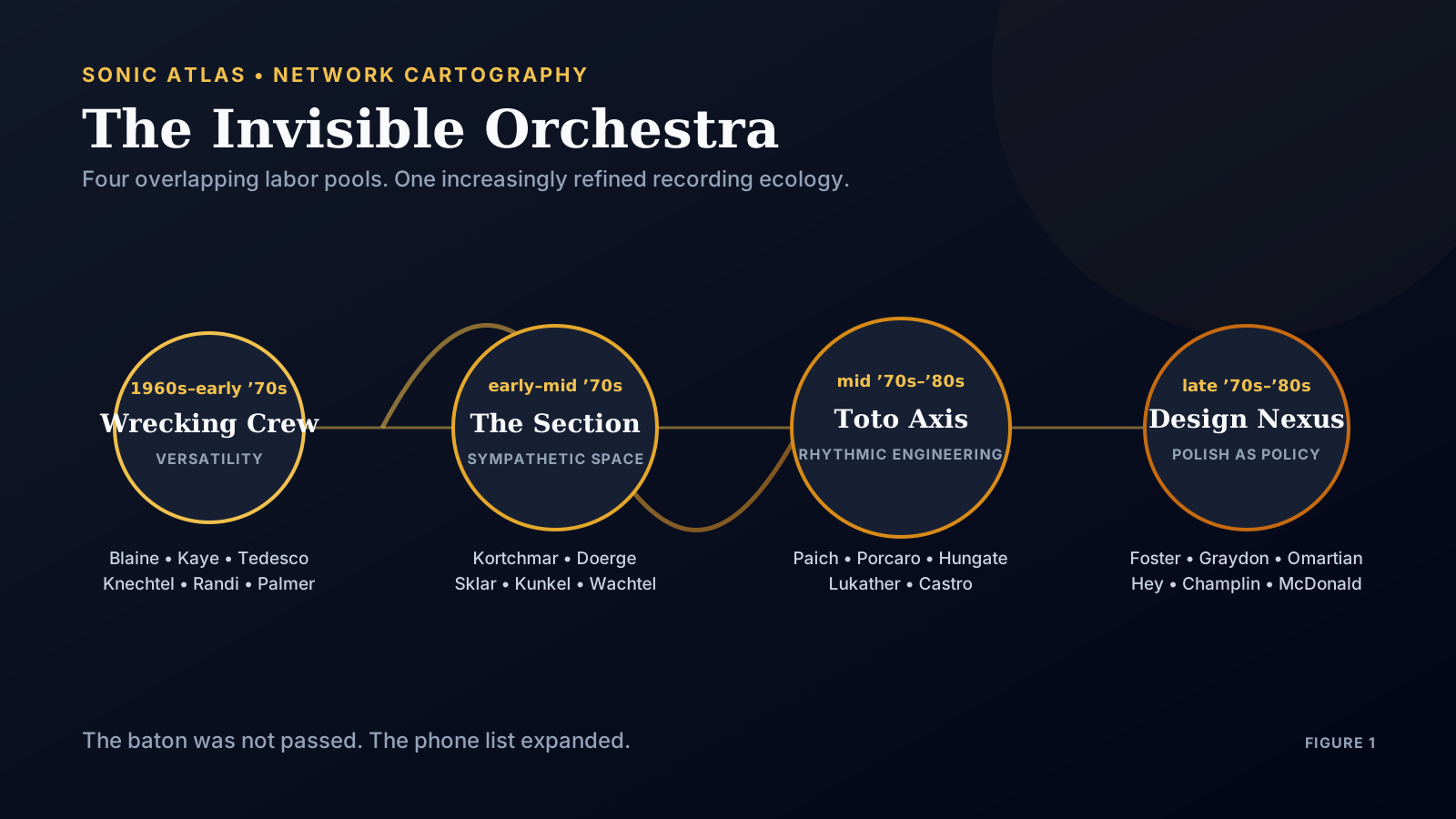
Figure 1 — The Invisible Orchestra: not four clean successions, but overlapping labor pools. Los Angeles did not replace one studio elite with another; it kept refining the referral network.
I. Before the Marina: The Wrecking Crew as Infrastructure
The Wrecking Crew was not a band in the usual sense. It was a loose population of first-call Los Angeles session musicians — Hal Blaine, Carol Kaye, Tommy Tedesco, Larry Knechtel, Don Randi, Glen Campbell, Earl Palmer, Plas Johnson, and others — repeatedly assembled by producers, contractors, arrangers, and studios during the 1960s and early 1970s.
Their importance extends beyond the familiar revelation that anonymous professionals sometimes played behind famous faces. That is merely the scandalous version, suitable for documentaries and conversations with relatives who still believe album covers are sworn testimony. The deeper innovation was organizational. Los Angeles developed a dependable market for musicians who could read, improvise, change styles, produce usable takes quickly, and understand that the record — not the ego — was the product.
They supplied Phil Spector's density, Beach Boys sophistication, folk-rock propulsion, television cues, commercial jingles, and pop arrangements that could turn from innocence to menace within eight bars. The common trait was not sound. It was adaptability under pressure.
This matters because the later West Coast network inherited the professional ethic even when the musical vocabulary changed. The 1970s players were younger, album-oriented, more visibly entangled with touring bands and singer-songwriters, and increasingly credited. Yet the core proposition remained: the finest musician in the room is the one who makes the song inevitable.
II. The Section: Intimacy Becomes a Production Method
As Los Angeles moved from compact singles toward albums built around singer-songwriters, a different nucleus became audible. Guitarist Danny Kortchmar, keyboardist Craig Doerge, bassist Leland Sklar, and drummer Russ Kunkel formed the Section, both an instrumental group and a recurring studio-stage unit. Waddy Wachtel orbited the same ecosystem with such gravitational force that any sensible map includes him.
Their clients and collaborators included James Taylor, Carole King, Jackson Browne, Linda Ronstadt, Warren Zevon, and Crosby & Nash. Producers such as Peter Asher and Russ Titelman understood what these players offered: not anonymous perfection, but sympathetic architecture. They could preserve the apparent privacy of a song while giving it record-sized authority.
Kunkel did not need to batter a track into importance. Sklar could create forward motion with note length and placement rather than decorative busyness. Kortchmar and Wachtel knew when a guitar should become a hook, a texture, or simply the pressure behind a vocal. Doerge provided harmonic intelligence without making the arrangement wear spectacles.
This was a profound studio achievement. The singer-songwriter record often sells the fiction of solitary confession, yet confession becomes commercially persuasive only after a room full of professionals decides what must remain absent. Restraint was not the lack of arrangement. It was arrangement advanced enough to erase its own scaffolding.
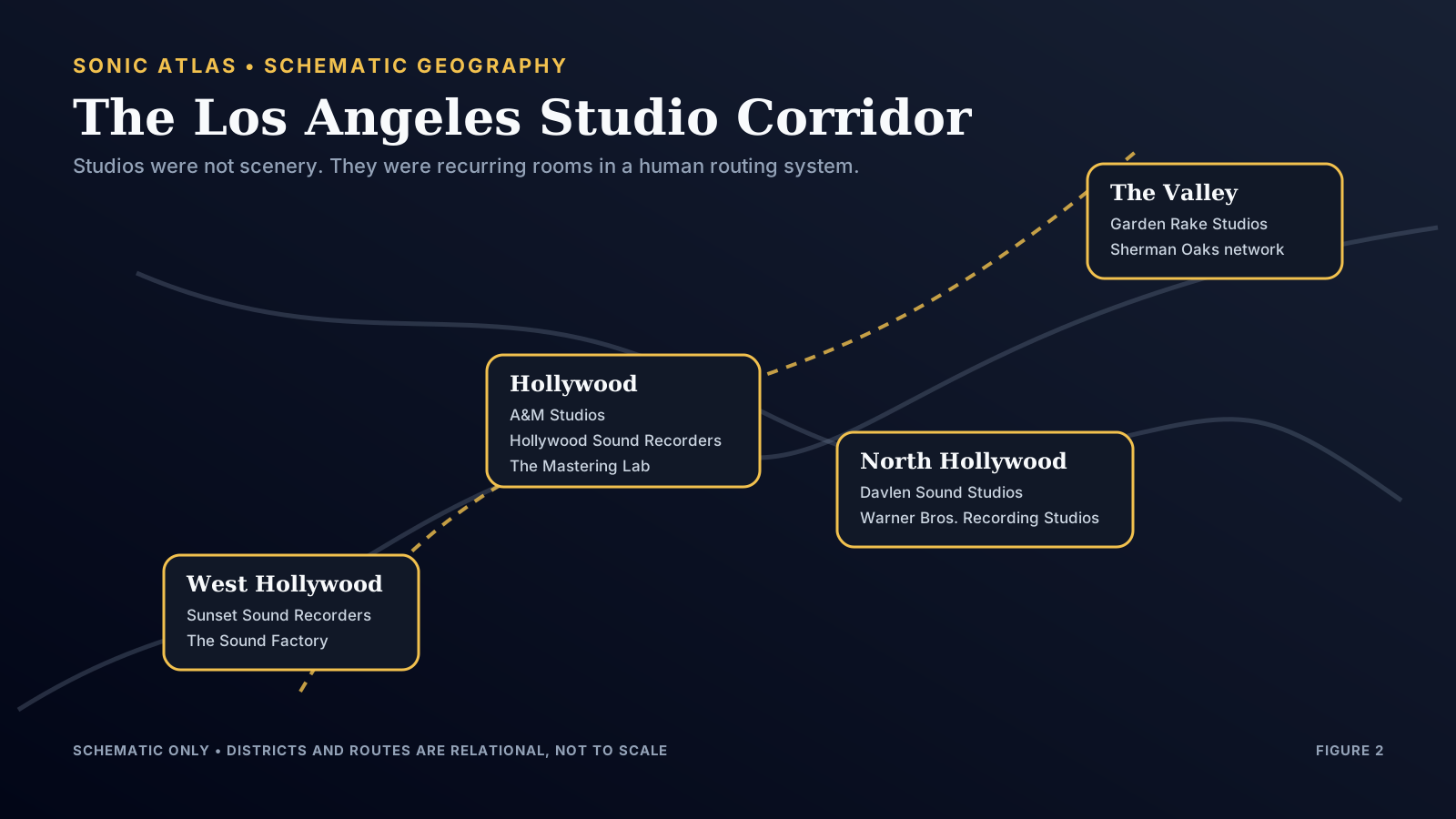
Figure 2 — The Studio Corridor: a schematic, not a driving map. Hollywood, West Hollywood, North Hollywood, and the Valley formed a compact ecology in which personnel, producers, and tape moved faster than mythology.
III. Silk Degrees: The Toto Prototype Hiding in Plain Sight
Boz Scaggs' Silk Degrees is where the network becomes almost embarrassingly legible. David Paich arranged and played keyboards; Jeff Porcaro supplied drums; David Hungate played bass. Fred Tackett and Louie Shelton handled guitars, while Tom Scott, Jim Horn, Plas Johnson, Bud Shank, and Chuck Findley contributed to the horn language. Doug Sax mastered the album at The Mastering Lab.
This is not interesting merely because Paich, Porcaro, and Hungate soon became Toto members. Historical hindsight is the cheapest form of intelligence. The record matters because one can already hear the design principles that Toto would formalize: rhythm that is immaculate without becoming antiseptic, keyboards used as harmonic engineering, sectional writing that allows rock, R&B, jazz, and pop to occupy the same song without applying for visas.
“Lowdown” is the governing exhibit. Its sophistication does not announce itself through virtuoso display. The bass and drums establish a pocket of exceptional tensile strength; clavinet, synthesizer, guitar, horns, and backing voices enter as precisely weighted events. Remove almost any element and the arrangement loses identity. Add one more and some assistant producer should be escorted from the premises.
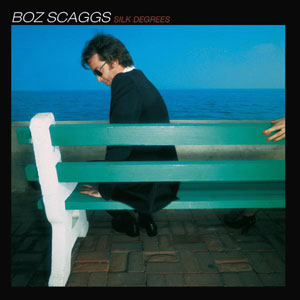
Silk Degrees (1976) — the hinge between session network and self-conscious studio institution.
Toto was the rare session-player band that converted infrastructure into authorship. Paich, Jeff and Steve Porcaro, Hungate, Steve Lukather, and Bobby Kimball did not sound like hired hands seeking emancipation. They sounded like men who already understood the entire record-making apparatus and had decided to operate it themselves.
By Toto IV, that apparatus had become orchestral in scope. “Rosanna” remains the obvious demonstration: Jeff Porcaro's composite half-time shuffle, stacked keyboards, Lukather's guitar vocabulary, horn arrangements, percussion, layered vocals, and studio detail gathered into a track that is technically extravagant yet rhythmically relaxed. This is harder than it sounds. Plenty of records contain more information; few prevent information from becoming congestion.
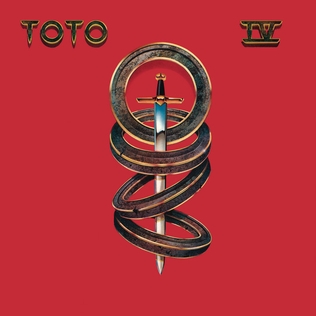
Toto IV (1982) — session literacy promoted to band identity.
IV. The Connectors: A Network Is Made of People Who Refuse to Stay Put
The West Coast system becomes intelligible when musicians are treated as connectors rather than credits.
- Jeff Porcaro linked Steely Dan, Boz Scaggs, Toto, Michael Jackson, and scores of sessions through a conception of time at once exact and elastic.
- David Paich connected arranging, songwriting, keyboards, and production; on Silk Degrees, those were not separate job titles so much as different surfaces of the same intelligence.
- Steve Lukather became the guitar network's great stylistic diplomat, capable of supplying restraint, abrasion, rhythm authority, or the solo that survived the meeting.
- Jay Graydon joined guitar precision to songwriting, engineering, and production. His partnership with David Foster made studio polish a compositional principle rather than a finishing process.
- Leland Sklar, Russ Kunkel, Danny Kortchmar, and Waddy Wachtel carried ensemble trust from one singer-songwriter project to another, allowing intimacy to scale.
- Larry Carlton, Dean Parks, Lee Ritenour, Ray Parker Jr., Lenny Castro, Paulinho da Costa, Jerry Hey, Tom Scott, and Chuck Findley formed specialized but overlapping routes through guitar, percussion, and horn arranging.
- Michael McDonald and Bill Champlin made the backing vocal an architectural event: a timbre could connect records as decisively as a drummer or producer.
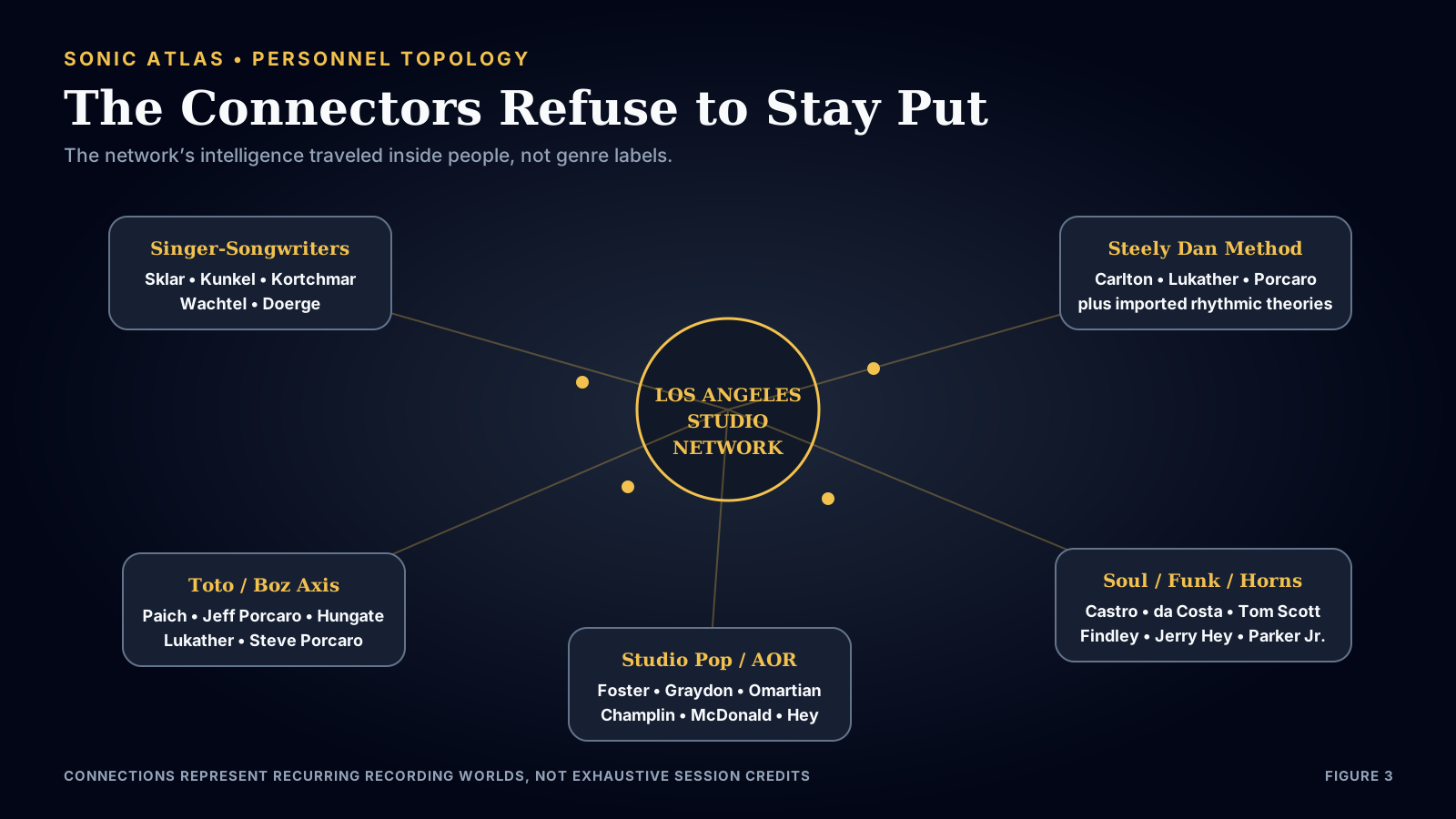
Figure 3 — Connector Musicians: arrows indicate recurring movement across recording worlds, not membership in a tidy club. The network's power came from recombination.
The point is not that every player appeared on every album. They did not. Nor should “West Coast” be treated as a passport office. Steve Gadd, Bernard Purdie, Chuck Rainey, and other crucial contributors to Los Angeles-made records carried traditions developed elsewhere. Steely Dan's Aja, recorded through a deliberately shifting cast, is less a West Coast genre record than a supreme user of the session-musician system.
That distinction sharpens the argument. Becker and Fagen did not seek a fixed house band; they selected different rhythmic and timbral theories track by track. Gadd on “Aja,” Purdie on “Deacon Blues” and “Home at Last,” Rick Marotta on “Peg,” Jim Keltner on “Josie”: the album behaves like a comparative symposium on musical time. Its coherence comes from composition, production, engineering, and judgment — not identical personnel. (For the case that this exacting method peaked on Aja rather than its successor, see Aja vs. Gaucho.)
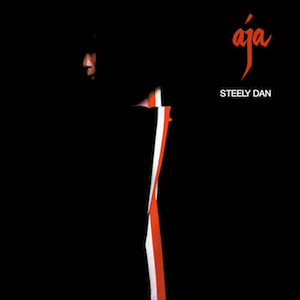
Aja (1977) — Los Angeles as modular virtuosity, curated with almost indecent discernment.
V. Foster, Graydon, Omartian: Polish Becomes Harmonic Policy
By the end of the 1970s, the network's most refined branch was no longer merely supporting songs. It was designing the conditions under which songs could exist.
David Foster and Jay Graydon's Airplay project is the laboratory specimen. The personnel included Jeff Porcaro, David Hungate, Steve Lukather, Ray Parker Jr., Bill Champlin, Tommy Funderburk, and Jerry Hey among others. Foster's harmonic instincts, Graydon's microscopic guitar and production judgment, Hey's brass voicings, and the rhythm section's authority created music in which every transition seemed pre-approved by a particularly gifted zoning commission.
The danger, naturally, was over-civilization. West Coast craft could become so frictionless that one admired the joinery while forgetting to inhabit the house. The best records avoided this through pocket, vocal character, or compositional tension.
Michael Omartian's production of Christopher Cross offers one successful solution. The album connects Cross to Graydon and Larry Carlton on guitar, Lenny Castro and Victor Feldman on percussion, Michael McDonald, Don Henley, J.D. Souther, and Valerie Carter on vocals, and a meticulously voiced horn cast. “Ride Like the Wind” is not soft in any meaningful rhythmic sense. Its surface glides because the machinery beneath it does not.
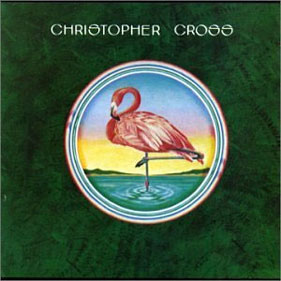
Christopher Cross (1979) — the notorious flamingo guarding a remarkably serious production.
Ambrosia's One Eighty demonstrates the complementary case: a real band absorbing the era's studio grammar without surrendering its own internal identity. David Pack, Joe Puerta, Burleigh Drummond, Christopher North, David C. Lewis, and Royce Jones could produce polish from within the ensemble. “Biggest Part of Me” is a masterclass in vocal stacking, controlled low end, and arrangement density that never clogs the midrange. The album's Doug Sax mastering credit only completes the Los Angeles circuit.
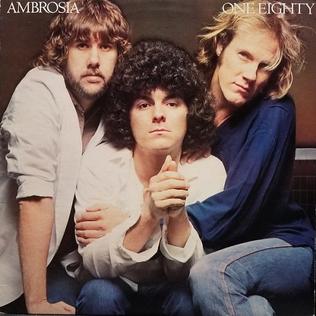
One Eighty (1980) — progressive musicianship taught to wear immaculate tailoring.
Ned Doheny's Hard Candy sits at the network's more elusive edge. Produced by Steve Cropper and animated by players including David Foster, Gary Mallaber, and the Tower of Power horns, it joins Laurel Canyon songwriting to funk discipline and West Coast spatial elegance. Doheny lacked the canonical celebrity of Scaggs or Steely Dan, which is precisely why the record is so revealing: the studio language existed below the level of fame. Sonic Atlas has made the fuller case for Doheny as the missing link in the California sound elsewhere.
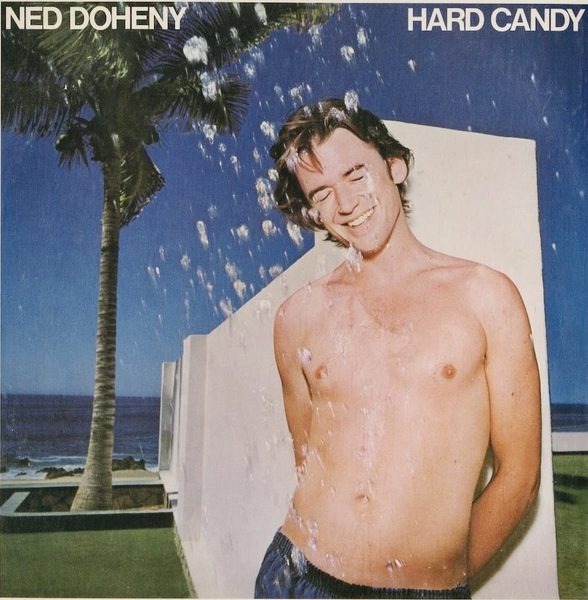
Hard Candy (1976) — proof that the network's sophistication did not require commercial victory.
VI. What the Network Actually Sounds Like
The phrase “studio polish” is almost useless. It mistakes an outcome for a method and implies that craft is something rubbed onto music after the interesting people have left. The West Coast network's best work has more specific audible properties.
First, time is layered. Kick, snare, bass, guitar, clavinet, and percussion need not strike together to feel unified. The pocket is a managed field of microscopic advances and delays. Jeff Porcaro's authority resides not in metronomic obedience but in knowing which subdivision may lean and which must remain sovereign.
Second, arrangements preserve frequency territory. Electric piano does not simply “fill”; it occupies a defined harmonic and registral role. Guitars are voiced to interlock rather than accumulate. Horns arrive with transient force, perform a structural function, and depart before applause becomes necessary.
Third, background vocals behave like orchestration. Michael McDonald, Bill Champlin, Valerie Carter, Venetta Fields, Clydie King, and other elite singers could alter the emotional temperature of a chorus without stealing its narrative center.
Fourth, the stereo image is hierarchical. The best productions do not scatter instruments left and right merely to demonstrate equipment. They establish foreground, support, depth, and event. On a revealing system, one hears not a showroom of isolated objects but musicians assigned intelligible physical and rhythmic territory.
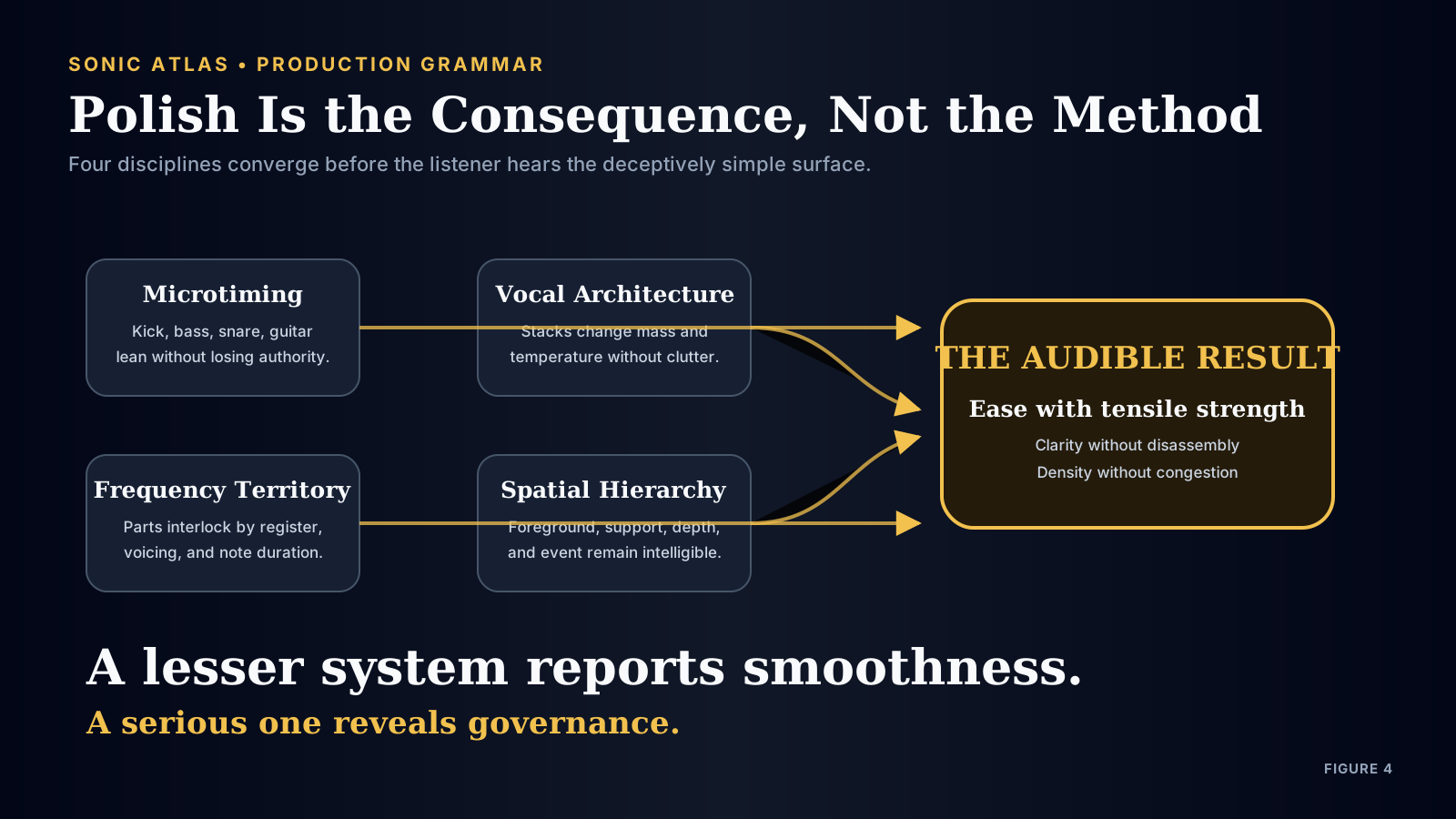
Figure 4 — The Sonic Grammar: polish is the visible consequence; allocation, microtiming, voicing, and restraint are the actual method.
This is why well-mastered copies of these albums remain such persuasive system records. They reward resolution without depending on spectacle. Bass has pitch and contour. Cymbals retain metal rather than degenerating into generalized brightness. Vocal stacks remain separable without losing mass. Transients disclose arrangement decisions. A lesser system reports smoothness. A serious one reveals governance.
VII. The Album-Credit Constellation
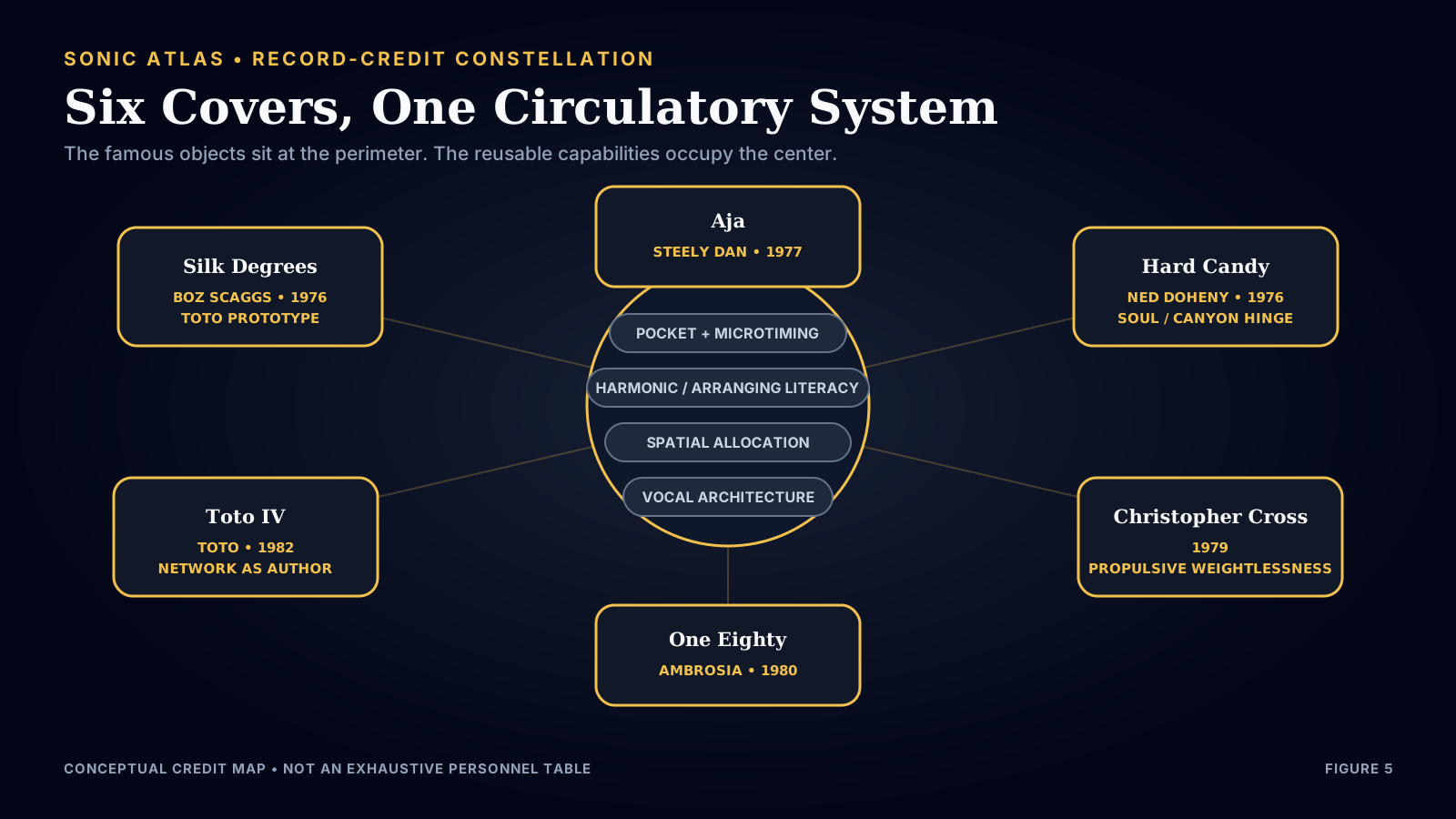
Figure 5 — The Album-Credit Constellation: the covers are famous; the connective tissue is the subject.
Placed together, these records dismantle the fantasy that the West Coast sound was a single style. Hard Candy draws on funk and soul. Silk Degrees pivots between R&B, rock, pop, and balladry. Aja is compositional noir built from modular virtuosity. Christopher Cross turns propulsion into apparent weightlessness. One Eighty carries progressive-band intelligence into compact adult pop. Toto IV makes the session network itself the star.
They sound related because the same professional values keep returning: preparation, listening, harmonic literacy, rhythmic authority, and the willingness to remove the perfectly good part that makes the record worse.
The Sonic Atlas Verdict
The West Coast studio-musician network did not eliminate personality. It made personality portable.
A Paich voicing, a Porcaro pocket, a Graydon solo, a Sklar bass entrance, a Jerry Hey brass figure, or a Michael McDonald vocal stack could enter another artist's record and alter its center of gravity without annexing it. These musicians carried methods across projects. Studios supplied recurring physical environments; producers and arrangers selected the combinations; engineers preserved the evidence.
“Yacht rock” identifies one attractive harbor in this territory. It does not map the continent.
The larger achievement was an ecosystem in which virtuosity became collaborative, precision learned to swing, and polish — at its best — did not remove humanity but placed it under better light. Anyone may hear only smooth surfaces. That is one of listening's democratic liberties. Sonic Atlas prefers to inspect the load-bearing structure.
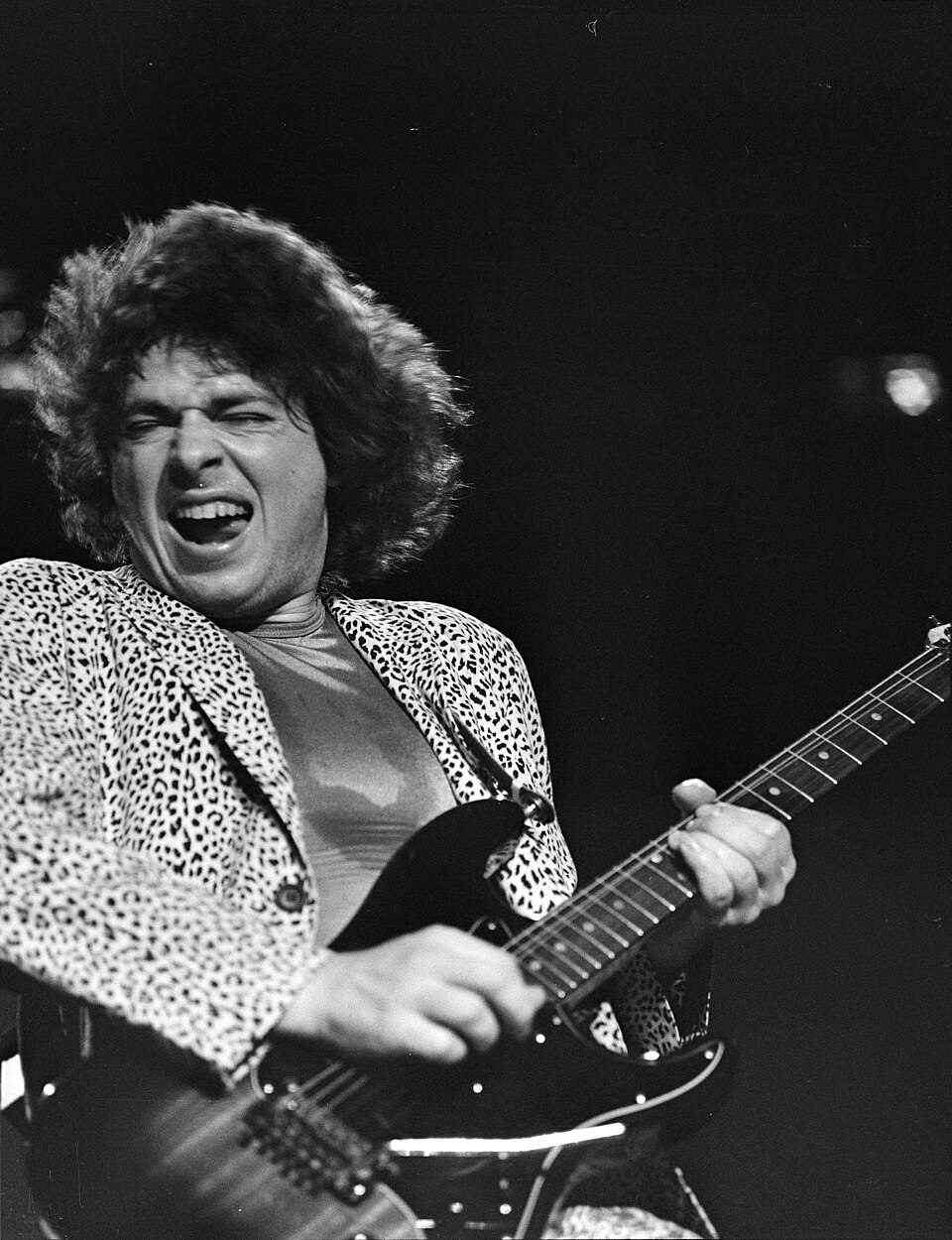
Steve Lukather, 1982. Photograph by Kåre Eide; CC0 public-domain dedication via Wikimedia Commons.
Selected Sources
- Denny Tedesco, The Wrecking Crew — About the Film.
- Denny Tedesco, Immediate Family — Director's Statement and Band.
- Silk Degrees original album credits.
- Jay Graydon, official biography and session archive.
- Toto, official band history.
- METAlliance, “The Recording of Steely Dan's Aja”.
- Recording Academy, Christopher Cross artist and Grammy history.
- Sonic Atlas, “Ned Doheny: The Missing Link in the California Sound”.
Keep Reading
What Have We Been Listening to in July?
Two heavy metal stalwarts command our attention alongside an unexpected detour into the smooth waters of Yacht Rock — from Armored Saint and Metal Church to Ned Doheny and early Doobie Brothers.
Beyond Maiden: A Beginner's Atlas of the NWOBHM Underground
The first NWOBHM guide introduced the monuments. This one maps the machinery beneath them: Tank, Persian Risk, Fist, Satan, Jaguar, Mythra, Witchfinder General, and the gloriously unstable British metal underground that taught the next generation how to move faster.
The Canterbury Scene: A Cartography of English Eccentricity
A complete critical map of the Canterbury scene — from the Wilde Flowers and Soft Machine to Caravan, Gong, Hatfield and the North, National Health, the international diaspora, and the bands that merely borrowed the waistcoat.
Architecting the Steven Wilson Universe
How one obsessive English auteur turned progressive rock into a modular system of bands, alter egos, sonic laboratories, archival interventions and spatial-audio evangelism — mapped across Porcupine Tree, the side-project laboratories, the solo canon and the remix work.