
Supertramp Paris vs. Live in Paris '79: Which Sounds Better?
Same tour, same venue, different nights — and a strikingly different sonic result. We own both. Here's what we hear.
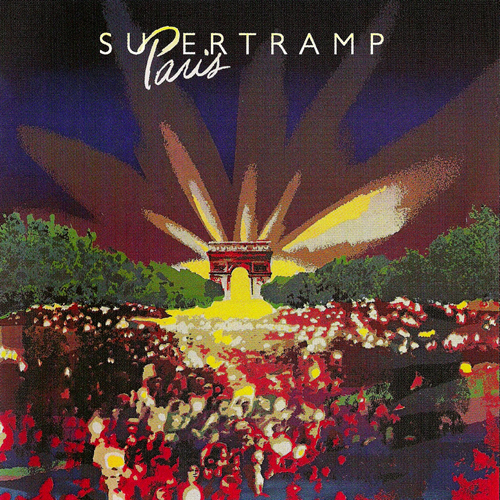
Paris (1980)
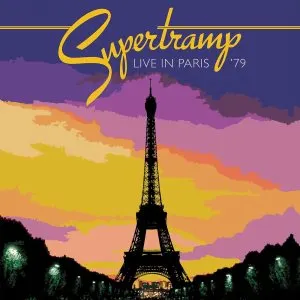
Live in Paris '79 (2025)
The Short Answer
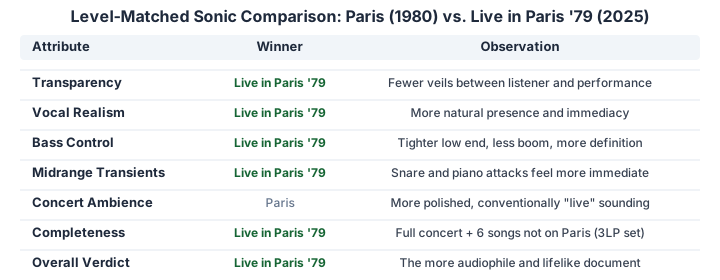
Live in Paris '79 sounds more transparent, more immediate, and more lifelike. The bass is tighter — less boom, more definition. Midrange transients are crisper: snare attacks, piano hammer strikes, and Hodgson's acoustic guitar strums all have more natural bite. There are fewer veils between the listener and the performance. It is the more audiophile recording of the two.
Paris remains a classic live album with an established reputation. But having now compared both pressings side by side on the same system, we prefer Live in Paris '79 for critical listening without hesitation.
These Aren't Two Editions of the Same Album
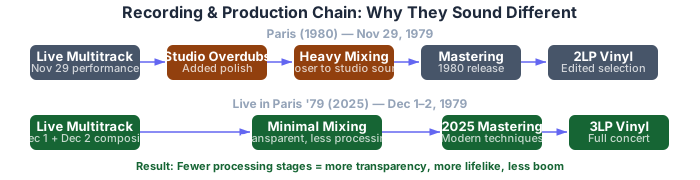
This distinction is critical. Paris and Live in Paris '79 are not the same concert repackaged. They differ in nearly every meaningful way:
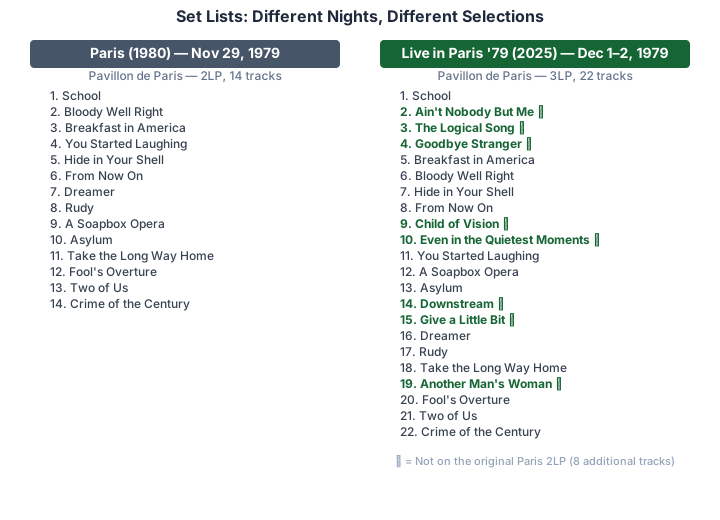
- Different nights: Paris draws primarily from November 29, 1979. Live in Paris '79 is compiled from December 1 and December 2, 1979 — a different pair of shows from the same four-night run at the Pavillon de Paris.
- Different track selection: Live in Paris '79 restores eight songs that were not on the original Paris 2LP, including "Goodbye Stranger," "The Logical Song," "Give a Little Bit," "Child of Vision," "Even in the Quietest Moments," and "Another Man's Woman."
- Different production philosophy: Paris received studio overdubs and heavy mixing — the band treated it as a polished live production, closer to their studio sound. Live in Paris '79 is a more transparent, less processed document of what actually happened on stage.
- Different format: Paris is a 2LP. Live in Paris '79 is a 3LP, presenting the fuller concert experience with more generous groove spacing.
The result is two fundamentally different sonic presentations of the same band at the same venue during the same tour week — but with the December shows capturing a band that sounds a bit more relaxed, a bit more playful, and a bit less self-conscious about delivering a "definitive" live album.
We have a personal stake in this comparison beyond the vinyl. We saw Supertramp on this tour — at the Oakland Coliseum — and it was our very first concert experience. When your introduction to live music is a band performing at this level of precision, energy, and sonic ambition, it becomes indelible. We remember how that band sounded in a room. That memory — of the transient attack of Hodgson's acoustic guitar, the way Davies' electric piano cut through the PA, the physical weight of Siebenberg's kick drum — is the reference against which both of these recordings are measured. It is not a casual comparison. It is a comparison informed by having been there.
What We Played and How
Both pressings were cleaned ultrasonically and played on the same system: VPI Scout with Benz Micro Wood SM cartridge, into a Conrad-Johnson ET6SE phono stage, amplified through a Rogue Atlas Magnum III. Levels were matched by ear using "School" as the reference track, since it appears on both albums in comparable arrangements.
Dead Wax: Paris (1980)
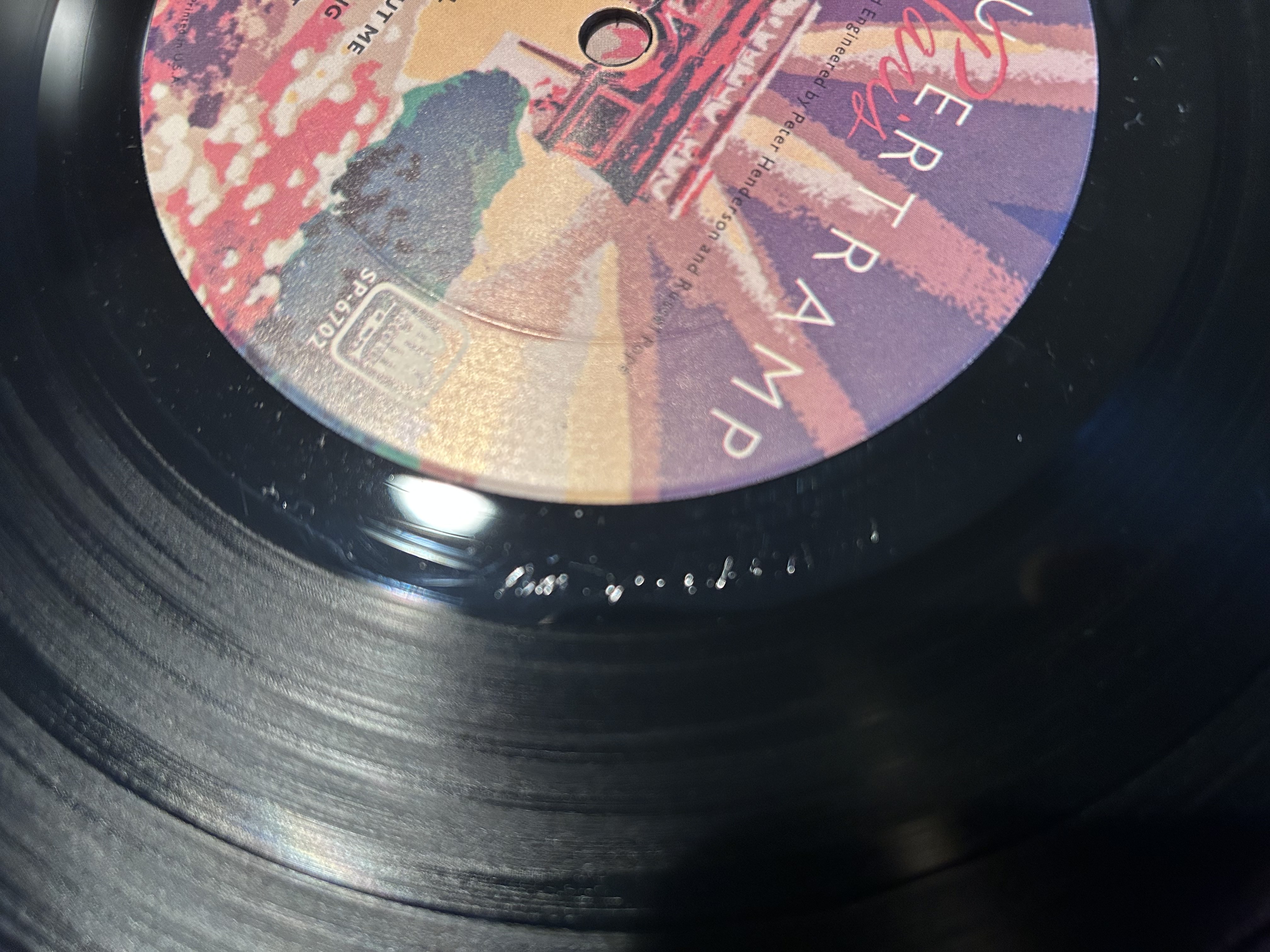
Our copy reads A&M SP06702A-S1 / SP06702B-S2 in the dead wax. The S1/S2 notation identifies this as a Columbia Records Santa Maria, California pressing — not the more commonly encountered Pitman variant (which carries P-series suffixes such as -P2 and -P3). This is the original U.S. 1980 A&M SP-6702 2-LP issue, mastered at A&M Recording Studios where the original album mastering was done.
The Santa Maria pressing has a generally strong reputation among collectors for quiet vinyl and competent pressing quality. This is relevant because it means the transparency difference we hear between Paris and Live in Paris '79 is not attributable to a poor pressing — we're comparing a good early U.S. pressing against the 2025 release. The difference is in the recording and mixing chain, not the manufacturing.
Dead Wax: Live in Paris '79 (2025)
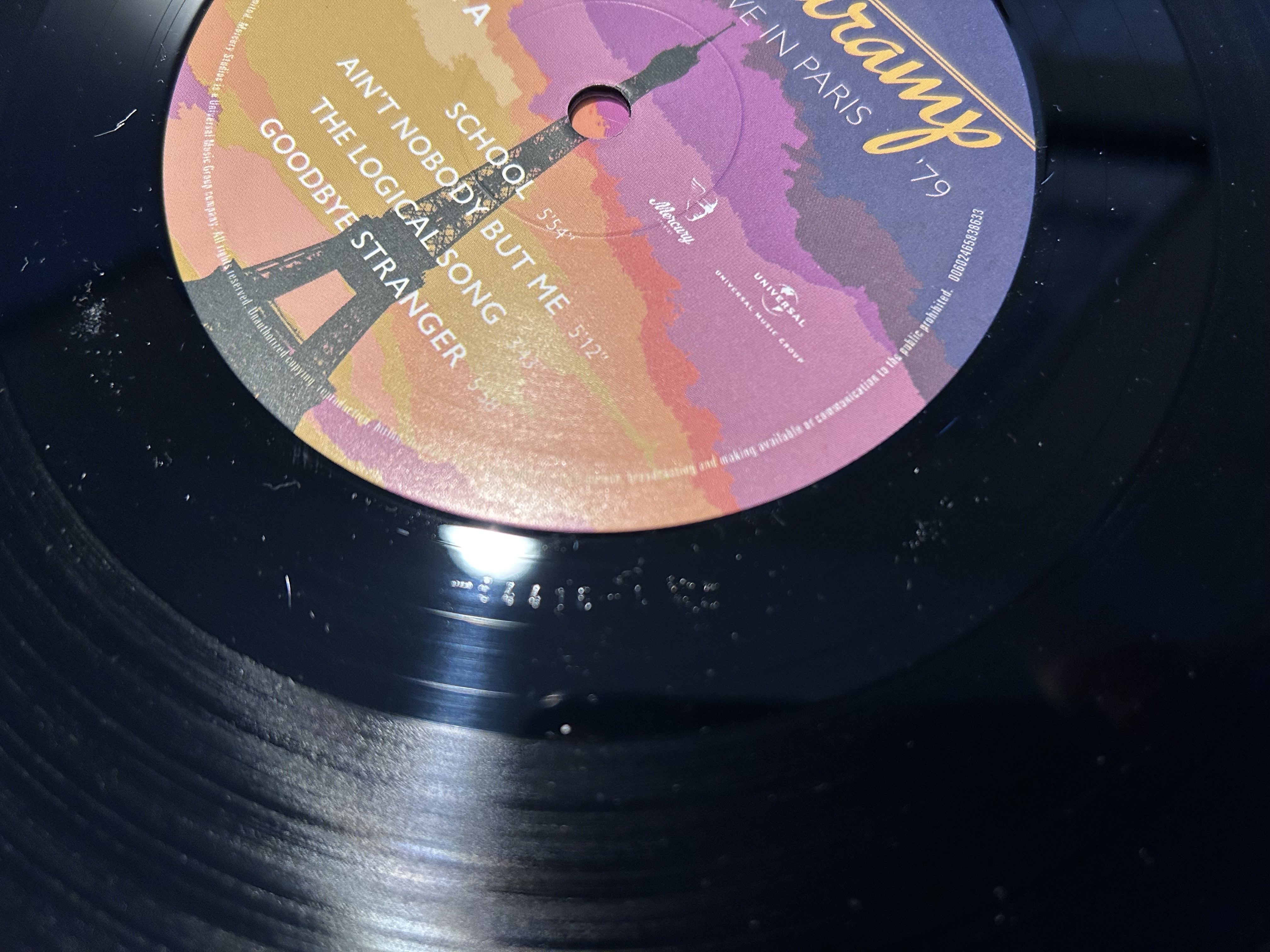
The stamped number 61416 is visible in the dead wax (it can appear to read "44416" depending on the light angle). The lacquer signature NAWEED — identifying Naweed Ahmed at Whitfield Mastering, London — is etched on the opposite side. Full documented matrices:
| Side | Matrix (etched) | Stamped |
|---|---|---|
| A | 00602465838626-A- | 61416 II |
| B | 00602465838626-B- | 61416 III |
| C | 00602465838626-C-2 | 61417 I |
| D | 00602465838626-D- | 61417 |
| E | 00602465838626-E- | 61418 II |
| F | 00602465838626-F- | 61418 I |
This is the February 28, 2025 Mercury Studios/Universal 3-LP pressing, manufactured in Germany by Pallas GmbH. Lacquers cut by Naweed Ahmed at Whitfield Mastering, London. Mastering by Mazen Murad at Katara Studios. Pallas discs are well-centered and quiet — consistent with the silent backgrounds we observe during listening.
Why the Difference Is in the Chain, Not the Pressing
The production lineage is substantially different between these two releases:
1980 Paris:
Original concert multitracks (Nov 29) → Peter Henderson/Russell Pope mixing → studio overdubs → Chateau Recorders → Bernie Grundman mastering at A&M → Columbia Santa Maria pressing
2025 Live in Paris '79:
Rediscovered original tapes (Dec 1–2) → restoration → new stereo remix by Henderson/Pope → Mazen Murad mastering → Naweed Ahmed lacquer cut at Whitfield → Pallas pressing
This is not a case of an inferior old pressing sounding veiled against a modern one. Our Santa Maria copy is a well-regarded variant of a well-pressed album. What we're hearing is a genuinely different window into the tapes — a new stereo remix with modern mastering sensibilities applied to performances from two nights later in the same run. The 2025 release isn't simply a recut of the 1980 master. It's a fundamentally different presentation of different performances, mixed with less processing and mastered with fewer compromises.
That's what makes the comparison genuinely interesting rather than merely predictable. For more on why the mastering chain matters more than the format or pressing date, see Mastering Matters More Than the Format.
The Sonic Comparison
"School"
On Paris, the opening harmonica has a slightly rounded, studio-polished quality — warm and full, but with an additional layer between the instrument and the listener. The band sounds tight and controlled.
On Live in Paris '79, the same harmonica has more edge, more breath, more sense of being played into a microphone in a room. The band sounds just as tight but more alive — there's a looseness and playfulness to the rhythmic interplay between Helliwell and the rhythm section that the Paris version smooths over. Siebenberg's kick drum has more punch and less boom.
"Hide in Your Shell"
This is where the transparency difference becomes most apparent. Paris presents the quiet introduction with a soft, diffused quality — beautiful in its own way, like listening through a high-quality filter. Live in Paris '79 removes the filter. The piano has more hammer attack. Hodgson's vocal is closer, more present, more obviously a human being singing in a large hall rather than a studio reconstruction of one.
"Fool's Overture"
The orchestral passages reveal the bass difference clearly. Paris has a warmth that borders on boominess — the low end is impressive but slightly overweight, masking some midrange detail in the strings and keyboards. Live in Paris '79 pulls back the low-end emphasis, revealing the midrange transients that sit underneath. You hear more of Hodgson's piano work during the orchestral sections, and the timpani has attack rather than just weight.
"Crime of the Century"
Present on both releases — but the Live in Paris '79 version benefits from the more transparent production philosophy. The performance is commanding, the dynamic range is enormous, and the recording captures the hall ambience beautifully during the quiet passages before the final crescendo. The reduced processing allows the orchestral build to emerge with greater spatial depth.
Why Some Listeners Will Still Prefer Paris
Paris is not a worse album. It is a different production choice. For listeners who prefer:
- A warmer, more enveloping low end
- A polished, studio-quality live presentation
- Familiarity — Paris has been the canonical Supertramp live album for 45 years
- A tighter, more edited performance that stays closer to the studio versions
Paris will remain the preferred choice. It sounds more like a produced event. Live in Paris '79 sounds more like being there.
Which One Should You Buy?
For sound quality:
Live in Paris '79. More transparent, tighter bass, better midrange transients, less processing.
For completeness:
Live in Paris '79. Eight additional songs including "The Logical Song," "Goodbye Stranger," "Give a Little Bit," and "Child of Vision."
For nostalgia:
Paris. If you grew up with it, the balance and polish are part of the experience.
For budget:
Paris. Clean used copies are $10–25. Live in Paris '79 is a 3LP at ~$50–60 new.
If you can only own one:
Live in Paris '79. It is the more complete, more transparent, more audiophile, and more honest document of Supertramp at their live peak.
The Sonic Atlas Verdict
Paris remains a classic live production — warm, polished, and familiar. We understand why it has endured for 45 years. But Live in Paris '79 provides the more transparent window into what Supertramp actually sounded like on stage during the Breakfast in America tour. The bass is tighter. The transients are more natural. The veil is thinner. The performances are more playful and less self-conscious.
For the same reasons that mastering matters more than format, production philosophy matters more than recording date. Paris was produced to sound like a studio album captured live. Live in Paris '79 was produced to sound like a concert. We prefer the concert.
Related Reading
Keep Reading
Vinyl vs. Streaming: Which Sounds Better on a Serious System?
On a serious system, it becomes a contest between two complete reproduction chains. Neither format always wins. The decisive variable is which master you are hearing — and what happens to it before it reaches the loudspeakers.
Vinyl vs. CD: Can You Actually Hear the Difference?
After ripping hundreds of LPs at 24-bit/192kHz through a tube signal chain, we have a clear answer — and it's not what purists on either side want to hear.
Aja Breathes; Gaucho Merely Has Excellent Manners
Why Steely Dan's 1977 masterpiece Aja remains sonically preferable to its immaculately upholstered successor Gaucho. Gaucho is perfection completed; Aja is perfection kept alive.
Why Do Different Vinyl Pressings Sound Different? Mastering, Matrix Numbers & Pressing Plants Explained
Two records can contain the same album and still sound conspicuously different. Learn why mastering, lacquer cutting, metalwork, and pressing plants all leave an audible fingerprint on vinyl.