
Best Rush Permanent Waves Vinyl Pressing: Which Version Sounds Best?
Over 200 versions exist on Discogs. The MASTERDISK HW inscription in the dead wax is the collector's signal — but can a modern remaster actually improve upon it?
Sonic Atlas Verdict
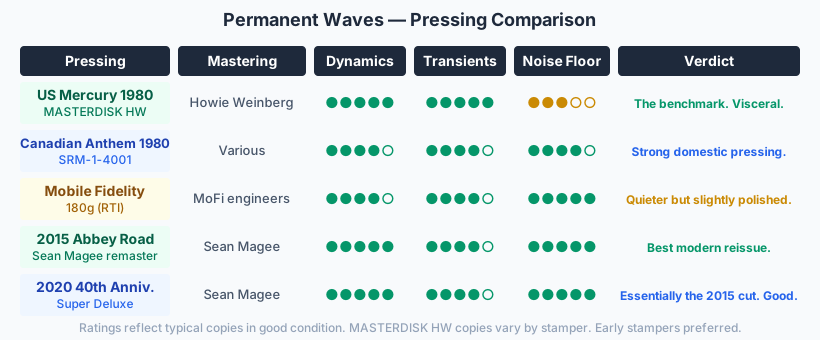
Best overall: US Mercury original with MASTERDISK HW in dead wax — early stamper, clean condition
Best modern reissue: 2015 Sean Magee / Abbey Road remaster (180g)
Best value: Clean Canadian Anthem pressing (SRM-1-4001)
Audiophile collectible: Mobile Fidelity 180g — quieter but slightly polished vs. original
Sonic Atlas choice: MASTERDISK HW if findable in VG+. Otherwise the 2015 Abbey Road remaster.
Avoid: Later Mercury/PolyGram represses with high stamper numbers, generic budget reissues
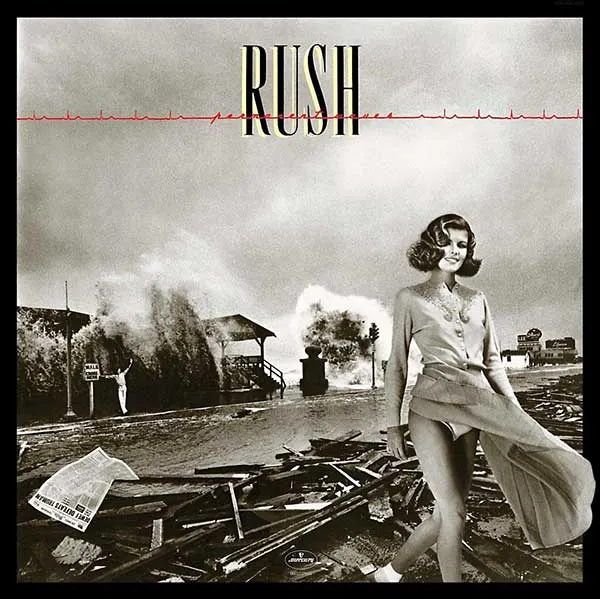
RushPermanent Waves (1980)
The Central Question
Permanent Waves is the album where Rush fully arrived — the songwriting concise, the production focused, the performances precise yet powerful. "The Spirit of Radio" and "Freewill" are among the most recognizable compositions in progressive rock. The album sold millions. And because it sold millions, it was pressed millions of times across multiple plants, multiple countries, and multiple decades.
Discogs currently catalogs over 200 distinct versions. For a collector trying to find the best-sounding copy, that volume creates a genuine navigation problem. Which pressing actually sounds best? Does the original MASTERDISK cut still hold up against modern audiophile remasters? Does country of origin matter?
Those are the questions this article answers.
The Pressings
US Mercury Original — MASTERDISK HW (1980)
Mastering: Howie Weinberg at Masterdisk · Plant: US pressing · Market price: $20–$60 depending on condition and stamper
The collector's target. Look in the dead wax for "MASTERDISK" and "HW" — Howie Weinberg's initials. This identifies the original mastering cut rather than a later recut from a different facility. The distinction matters: Weinberg's original cut has a visceral, dynamic quality that later represses lose.
The sonic character is immediate and punchy. Neil Peart's drums hit with genuine physical impact — the snare cracks, the kick has weight, the cymbals shimmer with realistic decay. Geddy Lee's bass is full and propulsive without bloat. Alex Lifeson's guitar occupies a clear, defined space in the stereo image. The overall presentation is energetic and forward — this is a rock record mastered to sound like a rock record.
The trade-off is noise floor. A 45-year-old pressing — particularly one that was heavily played during the classic-rock era — will have accumulated surface noise that modern pressings avoid. The MASTERDISK HW cut rewards those who find clean copies with early stamper numbers.
What to look for: "MASTERDISK" inscribed in the dead wax with "HW" (Howie Weinberg). Lower stamper numbers indicate earlier, superior pressings. The Mercury catalog number is SRM-1-4001.
Sonic character: Dynamic, punchy, forward. Drum transients are explosive. Bass is full. Guitar has bite. The most visceral and energetic presentation available.
Canadian Anthem Pressing (1980)
Mastering: Various · Plant: Canadian pressing · Market price: $15–$40
Rush are Canadian, and the domestic pressing has a loyal following. Canadian copies tend toward slightly quieter vinyl and a marginally warmer tonal balance compared to US copies. The dynamics are strong — not quite the visceral punch of the MASTERDISK HW cut, but close — and the noise floor is typically lower on well-preserved copies.
For buyers in the used market, the Canadian pressing represents excellent value: more affordable than collector-grade US copies, more musical than later represses, and generally well-pressed.
Sonic character: Warm, dynamic, slightly less forward than the US MASTERDISK. Good bass, clean midrange, respectable noise floor.
Mobile Fidelity 180g
Mastering: MoFi engineers · Plant: RTI · Market price: $40–$80
The Mobile Fidelity treatment gives Permanent Waves the expected audiophile characteristics: dead-quiet vinyl, excellent detail retrieval, wide soundstage, and controlled frequency extremes. The pressing from RTI is flat, centered, and essentially noise-free.
However — and this is the critical observation — the MoFi mastering is slightly more polished than the MASTERDISK original. The drum transients, while detailed, don't hit with quite the same physical force. The bass is controlled rather than visceral. The guitar has precision rather than raw bite. It is a more refined presentation that trades some of the original's aggressive energy for smoothness and separation.
Whether this is an improvement or a compromise depends entirely on what you value. If your priority is quiet vinyl and analytical detail — MoFi delivers. If your priority is feeling like a rock band is in the room — the MASTERDISK original delivers something the MoFi doesn't.
Sonic character: Quiet, detailed, refined. Excellent separation. Slightly polished compared to the raw energy of the original cut.
2015 Sean Magee / Abbey Road Remaster
Mastering: Sean Magee (Abbey Road Studios) · Plant: Optimal Media · Market price: $30–$45
Our pick for the best modern reissue. Abbey Road Studios brought in Sean Magee to remaster the Rush vinyl catalog, and the results on Permanent Waves are genuinely impressive. The dynamics are fully preserved — "The Spirit of Radio" opens with the same explosive energy as the MASTERDISK cut. The noise floor is modern-pressing quiet. Bass is extended and controlled. Transients are fast and realistic.
What distinguishes this from the MoFi is that Magee's mastering retains more of the original's raw energy while delivering modern pressing quality. It doesn't polish the aggressive edges away. The guitars still bite. The drums still hit. But the vinyl is quiet, flat, and free of the surface noise that compromises older copies.
For most listeners in 2026, this is the version to buy. It combines the musical energy of the original mastering philosophy with the technical advantages of modern pressing.
Sonic character: Dynamic, energetic, quiet vinyl. Retains the original's aggression while delivering modern pressing quality. The best of both worlds.
2020 40th Anniversary Edition
Mastering: Sean Magee (Abbey Road Studios) · Plant: Optimal Media · Market price: $35–$55
Essentially the same Sean Magee mastering as the 2015 reissue, packaged in a deluxe anniversary edition with additional material. If you already own the 2015 pressing, there is no compelling sonic reason to upgrade. If you're entering the market fresh and the anniversary edition is available at a comparable price, it's a perfectly good way to acquire the Magee remaster.
Sonic character: Identical to the 2015 remaster. The premium is for packaging, not sound.
Later Mercury/PolyGram Represses — Avoid
As with The Wall and Crime of the Century, later represses from worn stampers deliver markedly inferior sound. The dynamics flatten. Neil Peart's drums lose their explosive transient quality. The bass becomes muddy rather than propulsive. The noise floor rises. These copies are identifiable by high stamper numbers, lighter vinyl, and often the absence of the MASTERDISK inscription in the dead wax.
If you find a copy without MASTERDISK markings and with stamper numbers suggesting a late pressing — it's not worth purchasing for critical listening regardless of price.
Can a Modern Remaster Improve Upon MASTERDISK?
This is the question that gives the article its tension — and the answer is nuanced.
The MASTERDISK HW original, in clean condition with early stampers, has a quality that no reissue fully replicates: raw, unmediated energy. It was cut from the master tape at the time of release by an engineer working with the band's approval. There is no generational distance, no reinterpretation, no accommodation for modern tastes. It simply is the record as it was meant to sound in 1980.
But that comes with conditions. The original pressing is now 45 years old. Many copies have been played hundreds of times on equipment ranging from excellent to terrible. Surface noise accumulates. Groove wear degrades dynamics. Finding a truly clean MASTERDISK copy requires patience and sometimes luck.
The 2015 Sean Magee remaster does not have these problems. It is quiet, flat, well-pressed, and widely available. Its mastering preserves the album's energy while delivering modern technical quality. For 95% of listeners, it is the better practical choice.
But for the collector who finds a pristine MASTERDISK HW copy — that remains the reference. The original pressing myth is a myth when applied carelessly. Applied specifically to a clean, early-stamper MASTERDISK cut of Permanent Waves, it happens to be true.
How to Identify What You're Buying
The dead wax tells you everything:
- MASTERDISK + HW — Original Howie Weinberg cut. The target.
- MASTERDISK without HW — May be a recut at the same facility by a different engineer. Still potentially good, but verify.
- No MASTERDISK inscription — Later repress from a different facility. Approach with caution.
- Low stamper numbers (1A/1B) — Early pressing, closer to the original lacquer. Preferred.
- High stamper numbers — Later pressing from worn stampers. Reduced quality.
For the mastering engineer conscious buyer: HW = Howie Weinberg. His work at Masterdisk across the late 1970s and 1980s is consistently well-regarded for rock and progressive music.
Our Recommendation by Situation
- Want the absolute best sound: Hunt for a US Mercury original with MASTERDISK HW, early stampers, VG+ or better condition. Be patient. They exist.
- Want excellent sound without hunting: 2015 Sean Magee / Abbey Road remaster. Widely available, consistently excellent, $30–$45 new.
- Budget-conscious: Clean Canadian Anthem pressing. Strong sound, lower market price than US collector copies.
- Audiophile priorities (quiet vinyl above all): Mobile Fidelity. The quietest pressing, though slightly less visceral than the original.
- Already own the 2015 remaster: No need to upgrade to the 40th anniversary unless you want the packaging.
How This Fits the Best Pressing Framework
Permanent Waves demonstrates several principles from our pressing identification methodology:
- Dead-wax initials are decisive: MASTERDISK HW identifies the reference cut instantly
- Original pressing myth has limits: The original is best — but only in excellent condition. A worn original loses to a clean remaster.
- Audiophile labels trade-off: MoFi delivers quiet vinyl at the cost of some raw energy. That's a valid choice, not an objective improvement.
- Mastering matters: Sean Magee's 2015 remaster succeeds because the mastering decisions serve the music, not because the vinyl is 180g.
- Weight is irrelevant: The standard-weight MASTERDISK original outperforms most 180g alternatives sonically.
Conclusion
Permanent Waves deserves a pressing that captures what makes it extraordinary: the precision of Peart's drumming, the melodic authority of Lee's bass, the textural richness of Lifeson's guitar, and the dynamic range that lets "The Spirit of Radio" explode out of silence into one of rock's most iconic openings.
A clean MASTERDISK HW original delivers all of that with an immediacy no reissue fully matches. The 2015 Abbey Road remaster comes remarkably close while offering modern pressing quality and availability.
Either way — don't settle for a worn repress. This album has too much to reveal on the right pressing.
Keep Reading
Best Pink Floyd Meddle Vinyl Pressing: UK Original vs. MoFi vs. 2016
Which Meddle pressing sounds best? We compare the UK Harvest original, Japanese EMI, Mobile Fidelity half-speed, and the excellent 2016 remaster — with firsthand listening notes.
Best Pink Floyd The Wall Vinyl Pressing: Which Version Actually Sounds Best?
Same album. Same music. Dramatically different sound. We compare original US and UK copies, the 2011 Doug Sax remaster, the 2016 Grundman reissue, and more — with a clear verdict.
Best Supertramp Breakfast in America Vinyl Pressing: Original vs. MoFi vs. 2026 Half-Speed
Did the 2026 Abbey Road half-speed master finally produce the definitive affordable version? We compare four mastering lineages spanning 47 years.
Best Supertramp Crime of the Century Vinyl Pressing: Which Version Sounds Best?
One of the finest analog demonstration records ever made — but which pressing delivers? We compare the producer-endorsed UK original, Speakers Corner, MoFi UHQR, and the new Abbey Road half-speed master.